When Healthy Foods Become Harmful: What Every Caregiver Needs to Know
- May 24, 2025
- 7 min read
Updated: Jun 24, 2025
I’ll never forget the day I watched a well-meaning snack nearly put a patient in the ER.
Let’s call her Evelyn. Her daughter had brought in a fresh fruit salad—grapes, banana slices, and bright, juicy chunks of grapefruit. It was meant as a treat, something familiar and comforting.
But Evelyn was on a statin for high cholesterol.
Within hours, her blood pressure spiked, her heart rhythm went erratic, and the team was scrambling. The culprit? Grapefruit—a fruit that can interfere with how certain medications are processed in the liver, intensifying their effects.
As caregivers, we focus so much on nutrition and love through food. But sometimes the "healthy" choice can become dangerous.

Some everyday foods like grapefruit, leafy greens, or even bananas can interfere with medications. Knowing what interacts can protect your heart, your brain, and your safety. Talk to your doctor or pharmacist—because food is medicine, and sometimes it conflicts with the other kind.”
Hidden Risks: When Food and Medicine Clash
Certain foods can interfere with medications in ways that aren’t always obvious. These interactions can happen in the stomach, liver, or bloodstream, and they can make medications either dangerously strong—or frustratingly weak.
Here’s how food can disrupt medications:
Blocking absorption: Some foods bind to medications in the gut and prevent them from being absorbed properly.
Changing metabolism: Foods can alter how medications are broken down by the liver, especially by affecting liver enzymes like CYP3A4.
Affecting excretion: Foods can influence how quickly medications are eliminated from the body, particularly in people with impaired kidney or liver function.
Mimicking or opposing medication effects: Some foods contain compounds that can either amplify or reduce the intended action of a drug.
Here are a few common food–medication interactions every caregiver should be aware of:
5 Common Food-Drug Interactions Every Caregiver Should Know
As a caregiver, you're already juggling a lot. But here’s something that often gets overlooked—what we eat can seriously affect how medications work. In older adults, who often take multiple prescriptions, food-drug interactions can lead to dangerous consequences.
Let’s explore five of the most common ones, with tips and links to help you stay one step ahead.
1. Grapefruit + Cholesterol, Blood Pressure, or Anxiety Medications
Grapefruit might seem harmless—after all, it’s just fruit, right? But this citrus powerhouse blocks an enzyme in the gut (CYP3A4) that normally breaks down certain medications. The result? Higher drug levels in the bloodstream than intended, which can lead to:
Muscle breakdown (when paired with statins like atorvastatin)
Dangerously low blood pressure (especially with calcium channel blockers like amlodipine)
Worsening side effects from psychiatric medications
Bottom line: If your loved one takes meds for cholesterol, anxiety, or blood pressure, check with their doctor before handing them a grapefruit.
FDA List of Medications That Interact with Grapefruit
2. Leafy Greens + Blood Thinners (like Warfarin)
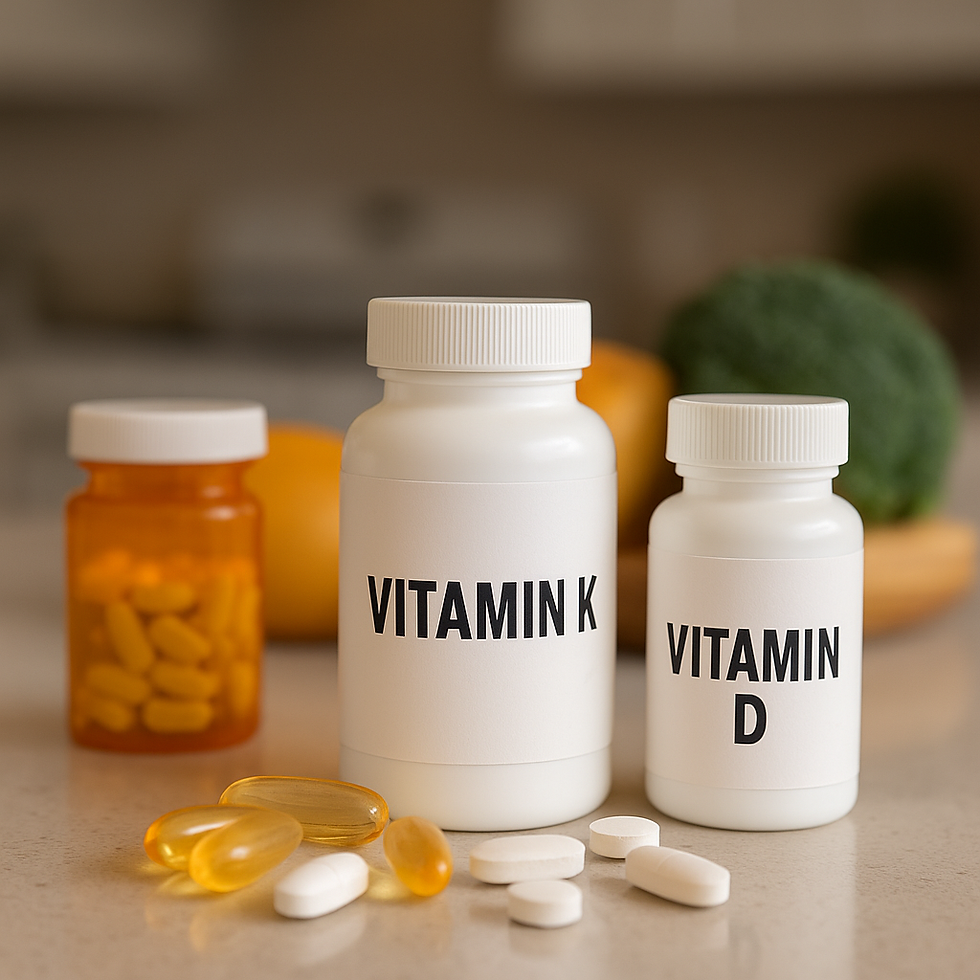
Spinach, kale, and broccoli are packed with vitamin K, which helps blood clot. That’s great—unless you’re taking a blood thinner like warfarin. Too much vitamin K can cancel out the medication’s effect, increasing the risk of stroke or clotting.
But here’s the twist: it’s not that leafy greens are bad—you just need to keep your vitamin K intake consistent day to day.
If your loved one is on warfarin, work with a dietitian and check INR levels regularly at home.
3. Dairy + Certain Antibiotics (e.g., Tetracycline, Cipro)
Calcium, found in milk, yogurt, and cheese, is a known binding agent. That’s usually a good thing—except when it grabs onto antibiotics like tetracycline or ciprofloxacin. This pairing forms an insoluble complex that your body can’t absorb, making the medication less effective.
Tip: Avoid dairy products for at least 2 hours before and after taking these antibiotics.
4. Potassium-Rich Foods + Kidney Disease or Dialysis
Bananas, avocados, oranges—these are all healthy... unless your kidneys are struggling.
People with chronic kidney disease or on dialysis can’t eliminate excess potassium effectively. This leads to a condition called hyperkalemia, which can cause:
Muscle weakness
Heart rhythm abnormalities
Even cardiac arrest
Watch potassium intake carefully and use renal-friendly snacks.
🔗 Low-Potassium Snack Guide for Kidney Health
5. Tyramine-Rich Foods + MAOIs (Antidepressants)
MAOIs (Monoamine Oxidase Inhibitors) are older antidepressants that are rarely prescribed now—but when they are, diet becomes critical. Tyramine is an amino acid found in aged, fermented, and cured foods like:
Aged cheeses
Salami and cured meats
Soy sauce and tofu
When tyramine builds up in the bloodstream (because MAOIs block its breakdown), it can trigger sudden and dangerously high blood pressure—a medical emergency.
Tip: If your loved one is taking an MAOI, ask for a full food safety list and consider keeping it posted on the fridge.
1. Grapefruit and Cholesterol, Blood Pressure, or Anxiety Medications
Can raise levels of statins, calcium channel blockers, and some psychiatric meds.
This can lead to dangerously low blood pressure, muscle breakdown, or increased side effects.
2. Leafy Greens and Blood Thinners (e.g., Warfarin)
High in vitamin K, which can reduce the effectiveness of blood thinners and increase stroke risk if not balanced.
3. Dairy and Certain Antibiotics (e.g., Tetracycline, Cipro)
Calcium can bind to the drug, reducing how much is absorbed.
4. Potassium-Rich Foods and Kidney Disease/Dialysis
High potassium levels can be dangerous for people with impaired kidney function.
Can cause arrhythmias and even cardiac arrest.
5. Tyramine-Rich Foods and MAOIs (a type of antidepressant)
Aged cheese, cured meats, and soy products can trigger dangerously high blood pressure.
What Should Caregivers Ask?
When in doubt, ask before you serve. Here are some smart questions to ask your loved one’s healthcare provider:
Are there any foods they should avoid with this medication?
Does this condition affect how they process certain nutrients?
Are there safer alternatives to common snacks or meals?
How can I spot a food-related medication reaction?
Are there any supplements that could interact with their medications?
Smart Tools to Help You Stay Safe
Final Thoughts
Food is love. But when caring for someone with complex medical needs, food must also be informed.
As caregivers, we carry the responsibility of nourishing bodies and protecting them. Stay curious. Ask questions. And never assume that a "healthy" food is safe until you check.
Because even the most beautiful bowl of fruit can come with hidden risks.
With care,
Rebecca Saavedra
Former Nurse | Educator
P.S. If you found this helpful, I invite you to subscribe to my newsletter below. You’ll receive thoughtful, practical insights like this—delivered straight to your inbox.
FAQ: Food and Medication Interactions in Older Adults
What foods should seniors avoid when taking statins for high cholesterol?
Statins can dangerously interact with grapefruit, increasing the risk of muscle damage and liver strain.
Why is grapefruit dangerous with blood pressure or anxiety medications?
Grapefruit blocks a liver enzyme (CYP3A4), which can cause dangerously high drug levels for certain blood pressure and psychiatric medications.
Can leafy greens like spinach interfere with blood thinners like warfarin?
Yes. Leafy greens are high in vitamin K, which can reduce the effectiveness of warfarin if intake is inconsistent.
How does dairy affect antibiotic absorption in older adults?
Calcium in dairy products binds to some antibiotics (like tetracycline or ciprofloxacin), making them less effective.
What are the risks of eating bananas or avocados with kidney disease?
These high-potassium foods can lead to hyperkalemia in those with kidney issues, causing dangerous heart rhythm changes.
What foods are high in tyramine and dangerous with MAOI antidepressants?
Aged cheeses, cured meats, and fermented soy products can trigger hypertensive crises when combined with MAOIs.
Is it safe to eat healthy fruits while on multiple medications?
Not always. Fruits like grapefruit can interfere with drug metabolism. Always check with a doctor or pharmacist.
How can I check for food and drug interactions for my aging parent?
Use a medication interaction checker (like Drugs.com) or consult a pharmacist before introducing new foods.
Why is vitamin K consistency important for seniors on warfarin?
Fluctuating vitamin K intake can cause warfarin to work unpredictably, increasing the risk of bleeding or clots.
What foods are safe for people on a renal (kidney-friendly) diet?
Low-potassium foods like apples, berries, and rice cakes are safer choices for people with kidney disease.
How long should you wait between taking antibiotics and eating dairy?
Avoid dairy at least 2 hours before and after taking certain antibiotics like ciprofloxacin to ensure full absorption.
Can food cause medication side effects in elderly patients?
Yes. Some foods can amplify or block medication effects, leading to symptoms like dizziness, nausea, or heart issues.
What’s the best way to manage food-drug interactions in dementia care?
Keep a medication log, consult providers regularly, and post food interaction guides in the kitchen for quick reference.
Should caregivers avoid giving grapefruit to seniors on heart medication?
Yes—grapefruit can dangerously increase the levels of certain heart medications and should be avoided unless cleared by a doctor.
Are there common snacks that can be harmful to seniors with chronic illness?
Yes. Even “healthy” snacks like fruit salad or yogurt can pose risks if not matched with a senior’s medications or health conditions.
Affiliate Disclaimer:As an Amazon Associate, I earn from qualifying purchases. I only recommend products I believe in, and all links marked "(Paid link)" help support this blog at no additional cost to you.
Note: Before starting any supplement routine, consult your doctor or healthcare provider to ensure they’re appropriate for your specific medical needs. While I share science-backed, general wellness information, I’m not your personal physician. I don’t have access to your health history or prescriptions and cannot predict how supplements may interact with your current medications or conditions.
Disclaimer: These stories are inspired by real experiences in long-term care. Names and identifying details have been changed to protect privacy. In some cases, elements may be composite to reflect common clinical patterns and emphasize educational points. The intent is to inform and advocate, not to assign blame or disclose personal information.


Comments