When the Sun Goes Down: My Experience with Sundowning in Alzheimer's.
- May 23, 2025
- 5 min read
Updated: Jun 24, 2025
It started with a soft knock. Not on a door, but in my instincts—as a former nurse, I’d learned to recognize the sound of something about to go wrong.
It was just after 11 p.m. on a quiet dementia unit. Most residents were asleep, their rooms dark and peaceful. I was doing routine checks when I noticed a familiar gentleman—normally calm and friendly—moving from room to room, opening doors and peering inside.
He wasn’t trying to be disruptive. He was confused. Lost. Something in his internal compass had gone sideways.
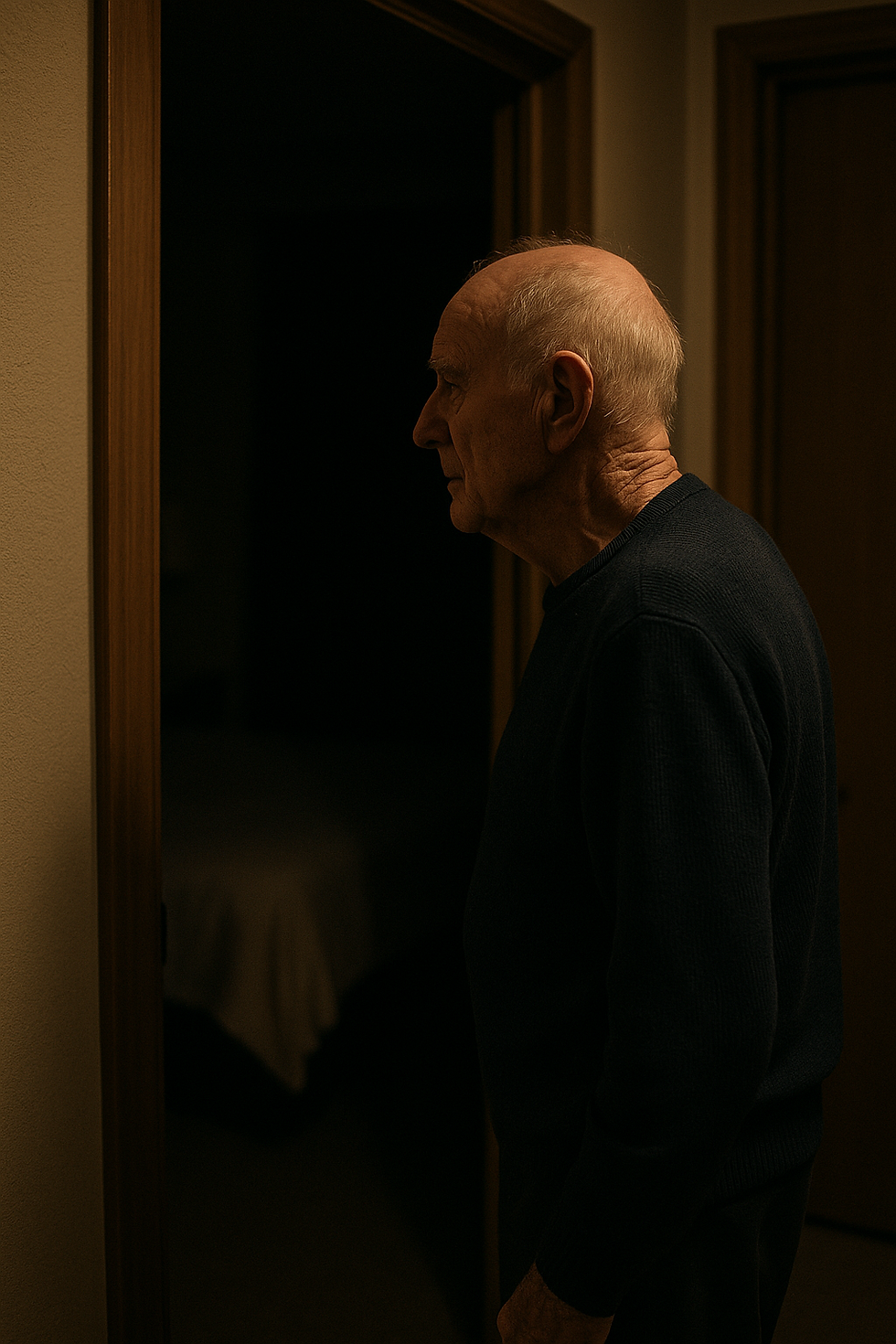
I approached gently. “It’s okay, you’re safe. Let’s head back to your room.”
He looked at me, eyes wide but vacant. Then his mood shifted. Agitation crept in. He grew louder, then refused to turn back. I carefully guided him toward the dining area to avoid disturbing the others.
That’s when it happened.
The tables were already set for breakfast—clean plates neatly stacked. He grabbed one and threw it in my direction. I ducked and jumped over a divider into the kitchen as he reached for another. Without my med cart nearby, I had no tools—just instinct and a call for backup.
This wasn’t the man I knew from earlier that day. This was sundowning.
What Is Sundowning?
Sundowning refers to a group of symptoms—confusion, agitation, restlessness, even aggression—that often intensify in people with Alzheimer’s or other dementias during the late afternoon and evening hours.
Not every person with dementia experiences sundowning, but when it occurs, it can be frightening and exhausting for both the individual and the caregiver.
Common signs include:
Pacing or wandering
Mood swings or anxiety
Hallucinations or paranoia
Verbal or physical outbursts
The cause isn’t fully understood, but it may relate to disrupted sleep patterns, sensory overload, or mental fatigue from the day.
Strategies to Help Manage Sundowning
Through my experience as both as a former nurse turned online educator, here are several proven strategies I recommend:
1. Establish a Calming Routine
Consistency brings comfort. Create a relaxing evening schedule—dim lighting, soothing music, and minimal interruptions. This predictability helps reduce anxiety by giving the brain a familiar rhythm to follow.
👉 Calming Music for Seniors with Dementia (Spotify Playlist or CD) (Paid link)– These curated playlists and CDs feature gentle melodies specifically designed to soothe anxiety and help transition into a restful state.
2. Limit Evening Stimulation
Skip caffeine, loud noises, or intense conversations late in the day. Simplicity is soothing. Even the television or overstimulating lighting can contribute to confusion. Keep things peaceful and predictable to help reduce sensory overload.
👉 Low-Glare Night Lights for Bedrooms and Hallways (Paid link)– These soft, energy-efficient lights reduce shadows and help maintain visibility without overstimulating the senses.
3. Use Validation, Not Correction
Correcting someone in distress can worsen agitation. Instead, acknowledge their feelings:
“You seem upset. I’m here to help.”
This approach builds trust and avoids confrontation, which can escalate quickly during sundowning episodes.
4. Maintain Gentle Lighting
Shadows and darkness can heighten confusion. Use soft lighting to promote comfort and orientation. A dimly lit hallway can look like a void to someone with dementia—while a soft, warm light offers a sense of direction and calm.
👉 Motion-Sensor Soft Lighting Kit (Paid link)– These lights automatically activate in low-light conditions, providing safe and gentle illumination for nighttime movement without startling the individual.
5. Communicate Simply and Calmly
Use short, kind phrases and a soft tone. Sometimes your presence is more reassuring than your words. Avoid long explanations or multiple instructions at once. Instead, speak slowly, use their name, and maintain eye contact to ground them.
6. Know When to Call for Help
Never try to handle severe agitation alone. Call for support if safety is a concern. It's okay to step away and bring in assistance. Keep emergency protocols and contacts accessible at all times.
👉 In-Home Dementia Care Services (Local Resource Finder) – This tool helps families locate professional care services that specialize in dementia support, offering relief when care becomes overwhelming.
Final Thoughts
That night taught me a vital lesson: Sundowning isn’t personal. It’s neurological. Even the kindest residents can transform under its weight.
But with awareness, strategy, and compassion, we can make evenings safer—for them and for us.
If you're walking this journey, you're not alone. I'm here to share real stories, trusted tools, and heartfelt guidance. Because the generation that shaped us deserves to age with dignity, even in their most confusing moments.
With care,
Rebecca Saavedra
Former Nurse | Educator
P.S. If you found this helpful, I invite you to subscribe to my newsletter below. You’ll receive thoughtful, practical insights like this—delivered straight to your inbox.
FAQ: Sundowning in Dementia and How to Manage It
1. What is sundowning in dementia and what causes it?
Sundowning refers to increased confusion, agitation, and restlessness in people with dementia, typically in the late afternoon or evening. It may be caused by disrupted circadian rhythms, mental fatigue, or sensory overstimulation from the day.
2. What are the first signs of sundowning in elderly adults?
Early signs include pacing, wandering, mood swings, yelling, increased anxiety, or asking to "go home" even when already there. These behaviors often start around sunset or at nightfall.
3. How can I calm a person with dementia who is sundowning?
Stick to a calming routine, reduce noise, dim the lights, and avoid correcting them. Use soft music, gentle touch, and familiar items. Speak slowly and offer reassurance instead of explanations.
4. Why does sundowning happen more at night?
As natural light fades, people with dementia may lose visual cues that help them orient to time and place. Their internal clock may also be impaired, leading to confusion and agitation as the day winds down.
5. What helps reduce sundowning behavior in Alzheimer’s patients?
Helpful strategies include:
Keeping a consistent evening routine
Avoiding caffeine or overstimulating activities after 4 p.m.
Using low-glare, motion-sensitive lighting
Playing relaxing music
Providing quiet, reassuring companionship
6. Are there products that help manage sundowning symptoms?
Yes. Items like motion-sensor night lights, calming music playlists, aromatherapy sprays, and weighted lap pads can help soothe overstimulated or confused individuals in the evening.
7. Is sundowning a sign of disease progression?
Sundowning can occur at various stages of dementia but is more common as the disease progresses. It often signals increased cognitive fatigue or overstimulation, not necessarily a sudden decline.
8. Can medications help with sundowning episodes?
Some doctors may recommend sleep aids or anxiety-reducing medications in severe cases. However, lifestyle adjustments and environmental changes are typically preferred as first-line strategies.
9. What should I do if someone with dementia becomes aggressive at night?
Ensure safety first—remove sharp objects and step away if needed. Speak calmly, lower lighting, and call for help if necessary. Never try to restrain them unless they’re in immediate danger.
10. Are there professional services that can help with sundowning care?
Yes. In-home dementia care providers can offer evening support or overnight respite. Many caregiver resource centers can help families locate specialized help for managing nighttime agitation.
Affiliate Disclaimer:As an Amazon Associate, I earn from qualifying purchases. I only recommend products I believe in, and all links marked "(Paid link)" help support this blog at no additional cost to you.
Note: Before starting any supplement routine, consult your doctor or healthcare provider to ensure they’re appropriate for your specific medical needs. While I share science-backed, general wellness information, I’m not your personal physician. I don’t have access to your health history or prescriptions and cannot predict how supplements may interact with your current medications or conditions.
Disclaimer: These stories are inspired by real experiences in long-term care. Names and identifying details have been changed to protect privacy. In some cases, elements may be composite to reflect common clinical patterns and emphasize educational points. The intent is to inform and advocate, not to assign blame or disclose personal information.



Comments