The Day My Patient Forgot My Name—and What It Taught Me About Connection
- May 23, 2025
- 5 min read
Updated: Jun 24, 2025
“Do I know you?”
That was the question. Quiet. Honest. Almost apologetic. And for a moment, it knocked the wind out of me.
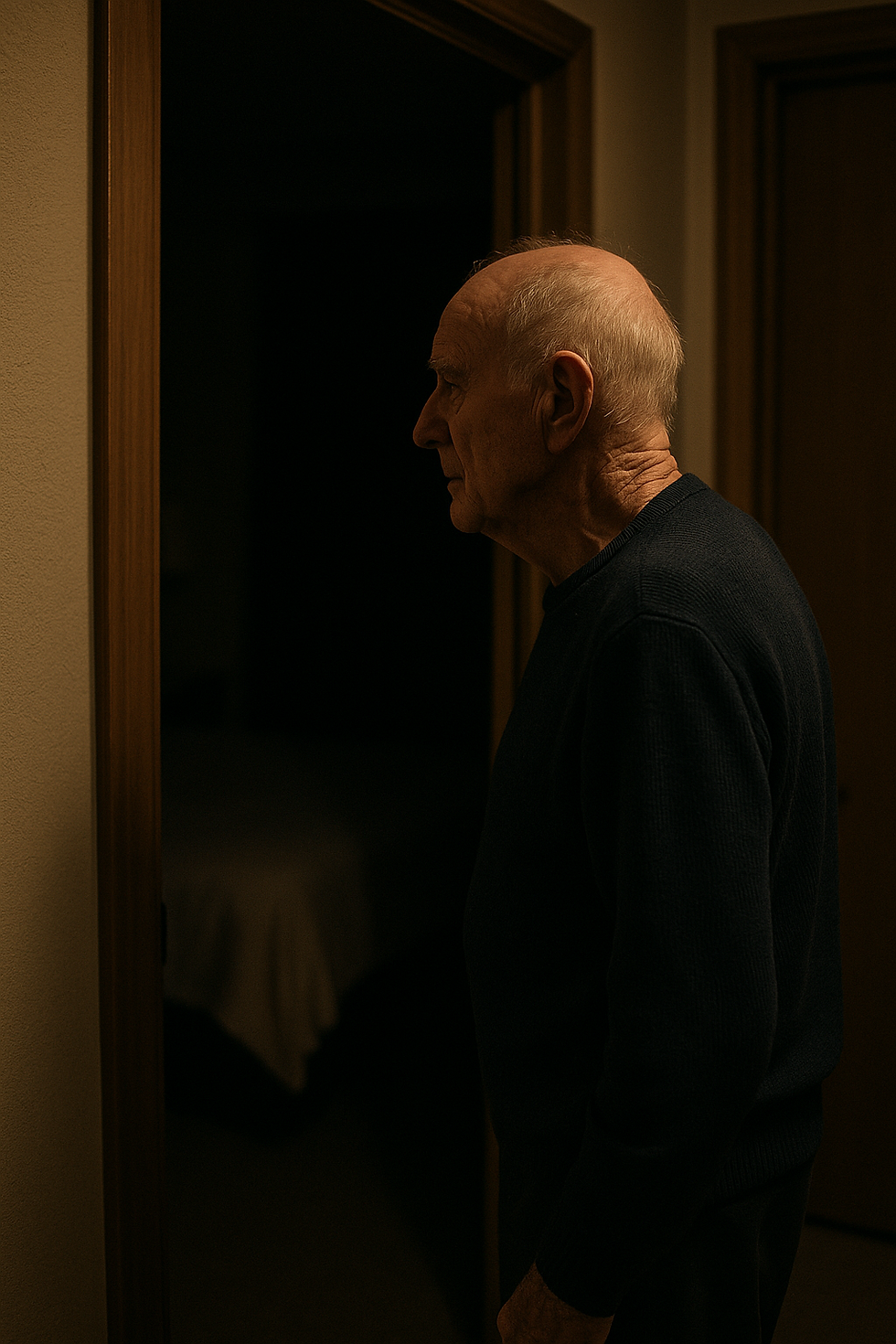
As a former nurse, I’d spent months caring for this gentleman—let’s call him Charles. I’d laughed at his dry wit. I’d walked him back to his room countless times. He knew me—or at least, he used to.
That morning, he looked at me as though I were a stranger. And in a way, I was. To Alzheimer’s, names are fragile. Facts dissolve. Familiar faces become puzzles with missing pieces.
But what came next changed me.
I smiled gently and said, “I think we’ve met a few times.”
He tilted his head, narrowed his eyes, then… smiled back.
He didn’t know my name. But he knew how I made him feel.

Emotional Memory: What Remains When Facts Fade
In the brain affected by dementia, short-term memory and identity-based recall often go first. But emotional memory—how someone made you feel—is often the last to go.
Charles may not have remembered my name, but he remembered our shared laughter, the calm in my voice, and the kindness of being met with dignity instead of correction.
That moment reminded me that connection isn’t just cognitive—it’s emotional. And emotional bonds can still be nurtured, even in advanced stages of Alzheimer’s.
5 Ways to Connect Without Needing to Be Remembered
1. Lead With Warmth
Your nonverbal cues set the tone. People with dementia often respond more to how you say something than what you say. Smile genuinely, use soft eye contact, and move slowly and calmly. These small gestures can create a feeling of safety and recognition—even without names.
2. Use Gentle Touch
Physical connection activates emotional memory. A light touch on the arm, holding a hand, or a warm hug can communicate trust and comfort. This is especially effective during moments of agitation or confusion. 👉 Soft Therapy Gloves for Gentle Touch (Paid link)– These soft gloves are ideal for hand-holding and light massage without overwhelming the skin, helping soothe and comfort seniors with sensory sensitivities.
3. Play Familiar Music
Music connects to a part of the brain often untouched by Alzheimer’s. Songs from their youth or culture can trigger powerful emotions and even moments of lucidity. It’s one of the most reliable ways to reach someone emotionally. 👉 Classic Oldies Playlist (Paid link)– A beloved collection of recognizable tracks from the 50s and 60s that may spark joy, calm, or even singing along.
4. Offer Sensory Comfort
Familiar scents, cozy textures, or even the sound of nature can reduce anxiety and promote a sense of home. Creating a multisensory environment is particularly helpful when verbal communication is limited. 👉 Aromatherapy Pillow Spray with Lavender & Chamomile (Paid link)– A calming, non-intrusive spray that helps promote relaxation at bedtime or during moments of agitation.
5. Just Be There
You don’t always need words. Silent companionship, gentle presence, or simply sharing space can be deeply reassuring. Even if they can’t name you, your presence becomes part of their emotional map. 👉 Weighted Lap Pad for Seniors (Paid link)– A soft, weighted pad that offers a calming, grounding sensation while sitting together, making moments of stillness more comforting.
Final Thoughts
When Charles forgot my name, I felt invisible—for a moment. But then I realized: names fade, but connection doesn’t have to.
The way we show up—calm, patient, loving—that’s what leaves a lasting imprint.
You don’t need to be remembered to be meaningful.
With heart,
Rebecca Saavedra
Former Nurse | Educator
P.S. If you found this helpful, I invite you to subscribe to my newsletter below. You’ll receive thoughtful, practical insights like this—delivered straight to your inbox.
Frequently Asked Questions (FAQ)
1. Can someone with Alzheimer’s remember how you made them feel?
Yes. While factual memory and names often fade, emotional memory tends to remain intact even in advanced dementia. People may not recall your name, but they remember how safe, loved, or calm you made them feel.
2. How do you connect with someone who has memory loss?
Use nonverbal communication—gentle touch, warm facial expressions, calm tone of voice. Activities like playing familiar music or using aromatherapy can also create emotional bridges when words are limited.
3. What is emotional memory in dementia patients?
Emotional memory is the ability to retain feelings linked to past interactions, even when details like names, places, or events are forgotten. This is why kindness and calmness are so important in caregiving.
4. What are the best ways to calm someone with Alzheimer’s?
Try soft background music, a familiar scent like lavender, holding their hand, or gently redirecting them. Keeping your voice low and soothing helps reduce agitation and promotes emotional connection.
5. Can people with Alzheimer’s recognize music from their past?
Yes. Music memory is processed in parts of the brain often spared until late stages of Alzheimer’s. Familiar songs from youth can trigger joy, clarity, or even brief conversation.
6. Why do people with dementia forget names but still respond to kindness?
Because the brain stores names in areas more affected by Alzheimer's, while emotional processing—especially the amygdala—often remains active longer. Emotional presence speaks louder than words.
7. How can I be present for someone with Alzheimer’s if they don’t recognize me?
Just being there matters. Offer gentle touch, a calm presence, and quiet companionship. Even if they don’t recognize you, your consistent emotional energy becomes part of their sense of safety.
8. What activities help connect with loved ones who have memory loss?
Listening to nostalgic music, flipping through photo albums, gentle massage, aromatherapy, or simply sitting together can foster connection. These activities tap into the senses and emotional memory.
9. What are signs that someone with dementia still recognizes you emotionally?
Look for small signs: a smile, eye contact, relaxed body posture, or reaching for your hand. Even without words, these cues suggest a sense of familiarity and comfort.
10. How do I support a loved one who doesn’t remember me anymore?
Focus on presence, not identity. Offer patience, warmth, and routine. It’s not about being remembered—it’s about creating moments of peace and connection in the now.
Affiliate Disclaimer:As an Amazon Associate, I earn from qualifying purchases. I only recommend products I believe in, and all links marked "(Paid link)" help support this blog at no additional cost to you.
Note: Before starting any supplement routine, consult your doctor or healthcare provider to ensure they’re appropriate for your specific medical needs. While I share science-backed, general wellness information, I’m not your personal physician. I don’t have access to your health history or prescriptions and cannot predict how supplements may interact with your current medications or conditions.
Disclaimer: These stories are inspired by real experiences in long-term care. Names and identifying details have been changed to protect privacy. In some cases, elements may be composite to reflect common clinical patterns and emphasize educational points. The intent is to inform and advocate, not to assign blame or disclose personal information.


Comments